Francisco Goya and the Paintings No One Was Meant to See
8 May 2025In the last years of his life, Francisco Goya — the official court painter of Spain, a favorite of the aristocracy and the author of sunlit scenes of hunts, dances and balls — was no longer seen by anyone. He lived in a country house shrouded in silence and fear. And on the walls of this house he created 14 monumental frescoes, which he did not sign, did not show, did not title and probably never intended to reveal.
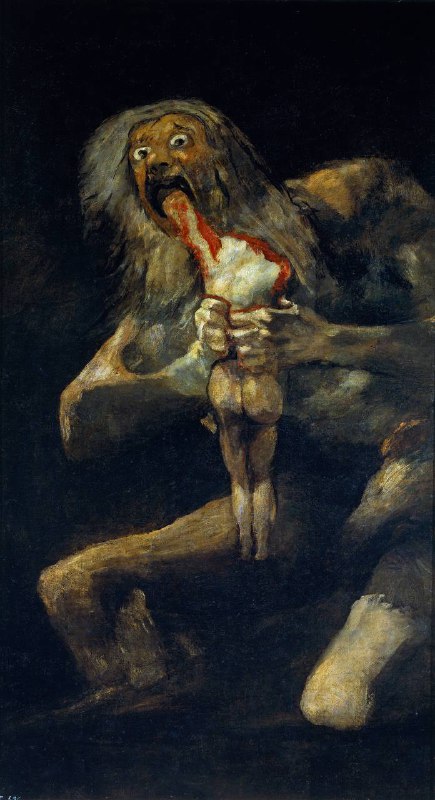
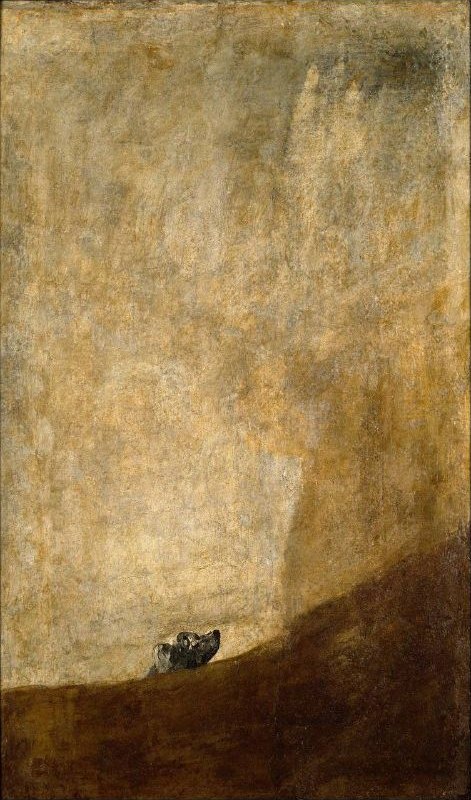
They were later called the “Black Paintings,” among them “Saturn Devouring His Son,” “Witches' Sabbath,” “The Dog” and others. Today they are among the most famous images of fear, pain, death, madness. But most importantly, they were meant neither for a museum nor for the public.
These are not paintings about the outside world. They are the architecture of inner disintegration.
How did he come to this?
The French Revolution, civil war, dictatorship, the Inquisition, disasters, illness, the loss of his hearing, the loss of his children, political isolation — Goya lived the entire history of 18th-century Europe inside himself, as if he were not an observer but a catalyst.
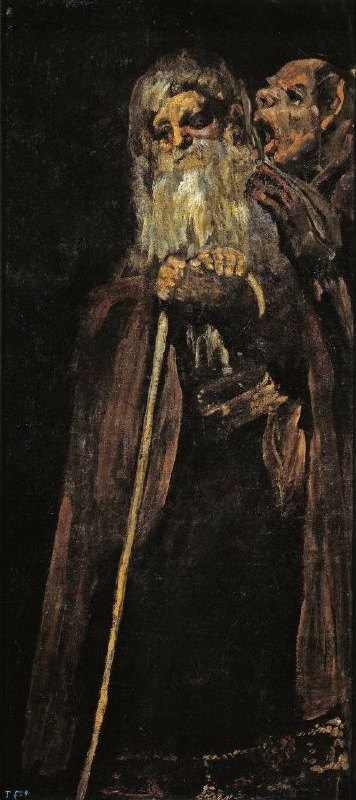
At first he documented. The series “The Disasters of War” and “Los Caprichos” were a kind of reportage, an anatomy of human cruelty. He does not take sides — he shows that war, in principle, cannot be just.
There are no heroes in Goya. Only victims and executioners. Often in the same person.
When Goya began to lose his hearing, his health and his mental stability, the artist in him did not break. The observer in him grew stronger.

What the “Black Paintings” are
These works were painted directly onto the plaster of the walls of his house, the Quinta del Sordo. Beneath the layers of paint are rural idylls, nature, hunting, which the artist painted over with blackness.
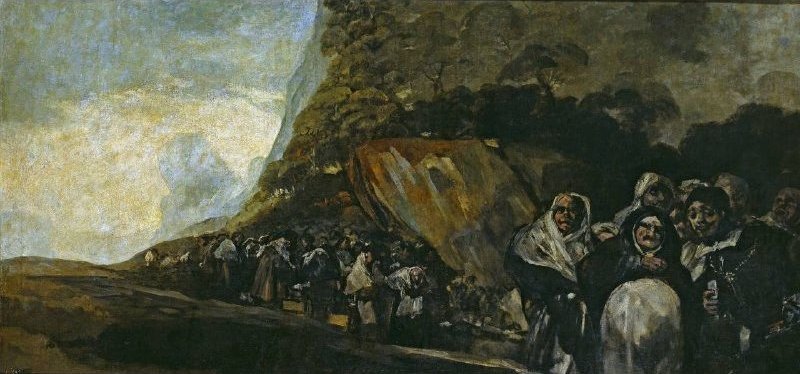
No composition. No narrative clarity. No light.
Only faces, bodies, terrible rituals, voices that no one hears.
These paintings depict neither mythology nor history. They are a record of the inner overload of a person who can no longer function in the world.
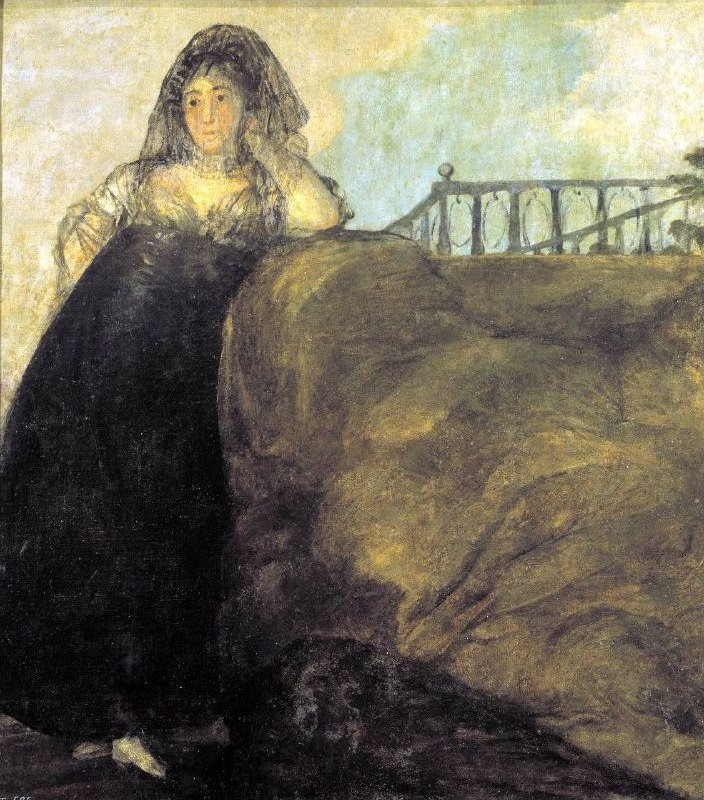
The most famous works:
“Saturn Devouring His Son” is a painting in which myth is turned into animal horror. Saturn is not evil — he is frightened. He looks the viewer in the eye like a man caught in the act of a terrible deed.
“The Dog” is a piece of wall in which only a head is visible, slowly disappearing into the sand. The dog is probably Goya himself.
And perhaps each of us.
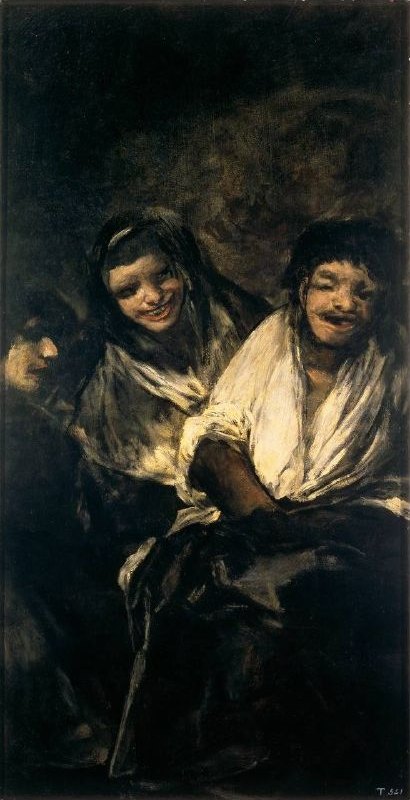
Is this madness?
No. That is too simple.
Writing off pain as “the artist's insanity” is a way to escape discomfort.
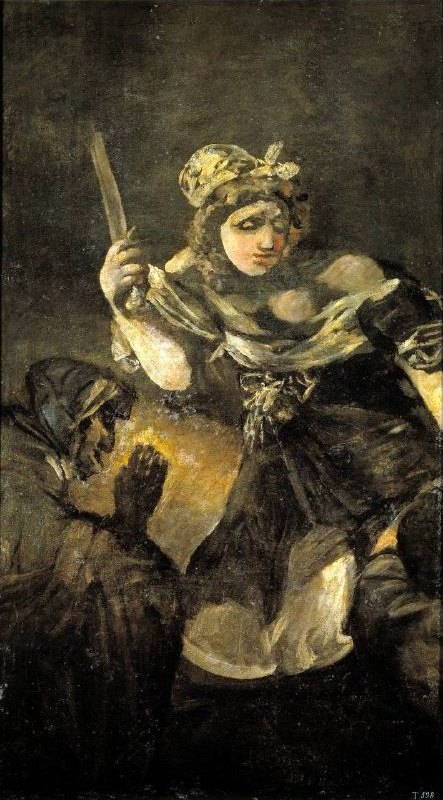
Goya was not mad. He was utterly honest. And what he showed on the walls of his house is not a “distortion of reality.” It is reality without embellishment. Millions live in such a reality, but few are able to express it.
The Black Paintings are not hallucinations. They are the visual diary of a man who refused to lie. He did not want us to see this.
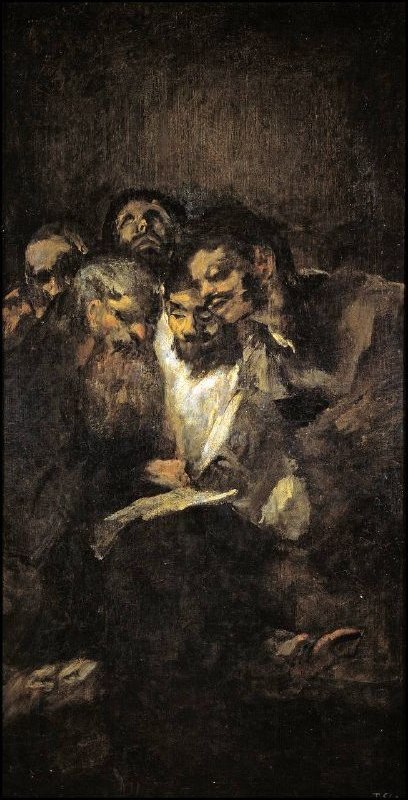
Art created without the intention of being seen is the most candid.
Goya painted not form — he painted inner truth, he recorded the state of the soul. In this lies his terrible greatness.
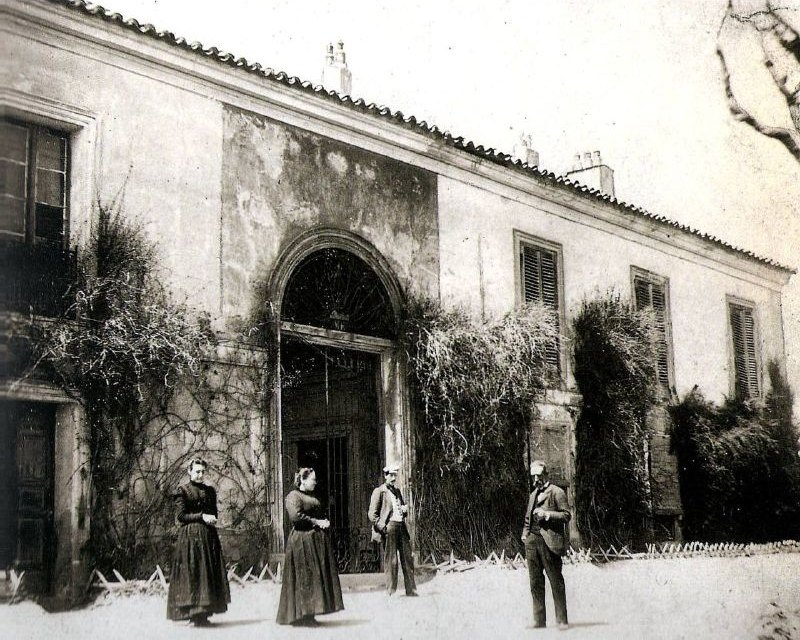
Paintings in this post:
Saturn Devouring His Son
The Dog
Two Old Men
Two Old Men Eating Soup
Pilgrimage to the Fountain of San Isidro
La Leocadia
Women Laughing
Judith and Holofernes
Men Reading