Architects' Manifestos: Why Do Ideas Often Remain on Paper?
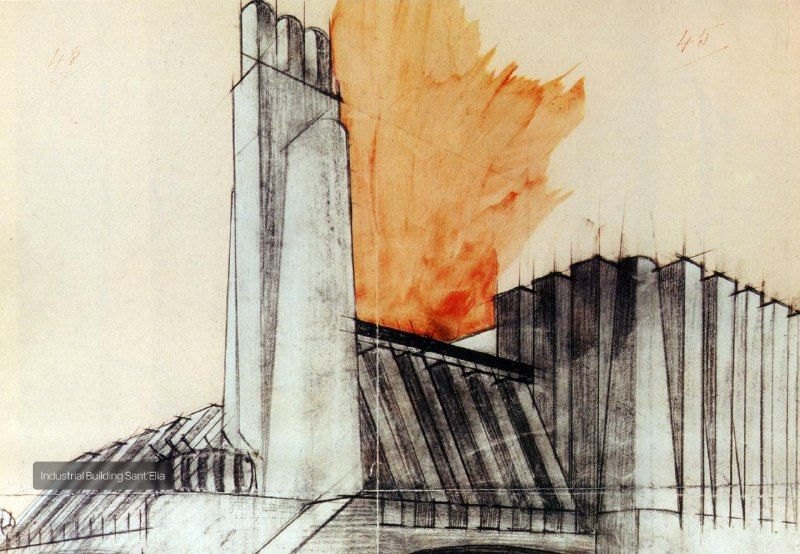
13 May 2025“Architecture still does not exist. We live in anti-architecture. We stand on the threshold of a new era that will wipe everything that exists off the face of the earth.”Antonio Sant'Elia, Manifesto of Futurist Architecture, 1914
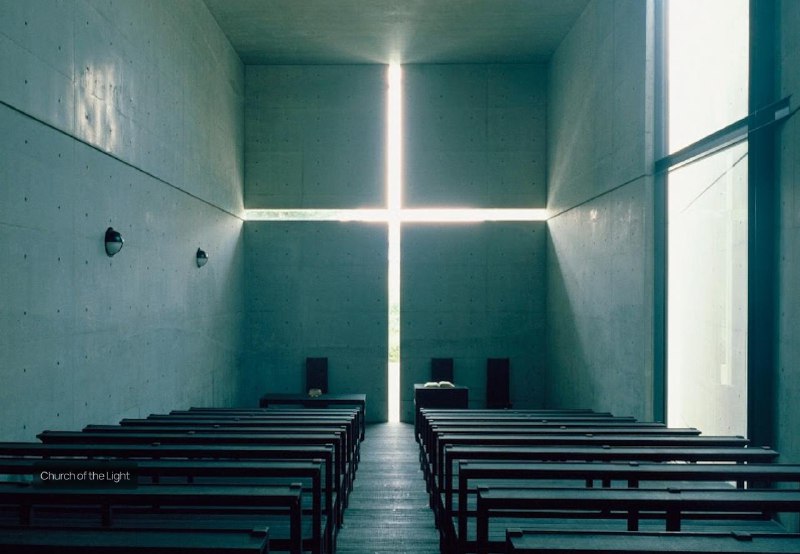
Architectural manifestos have long been an integral part of the professional dialogue. The 20th century gave us dozens of high-profile texts, from Le Corbusier with his “Five Points of a New Architecture” to the “Metabolist Manifesto” or Bjarke Ingels's “Yes Is More.” Architects readily write about what architecture should be: functional, organic, anti-capitalist, ecological, revolutionary — the list is endless.
However, if you look at the real world, a question arises: how many of these manifestos actually influenced what was built? It often turns out that the key texts of architecture remain just texts — inspiring, full of energy, but almost useless in a practical sense.
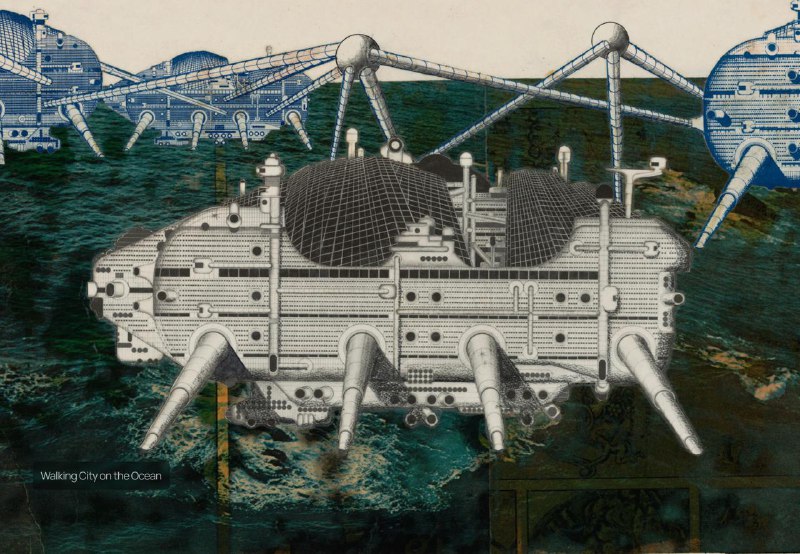
Take, for example, the famous manifesto of the Archigram group. Their projects “Plug-in City” and “Walking City” — fantastical ideas for the mobile cities of the future — remained pure concept. Despite the brilliance of the idea, practically nothing was built. Why is that?
There are many reasons. Often the issue lies not with the architects but with the very nature of the manifesto: it is a tool of provocation, of drawing attention, of starting discussions. A manifesto is meant to shock, to make people think, to propose the impossible — in order to push the profession toward change. It is not a project for a building but a project for change, which may happen only in part and not right away.

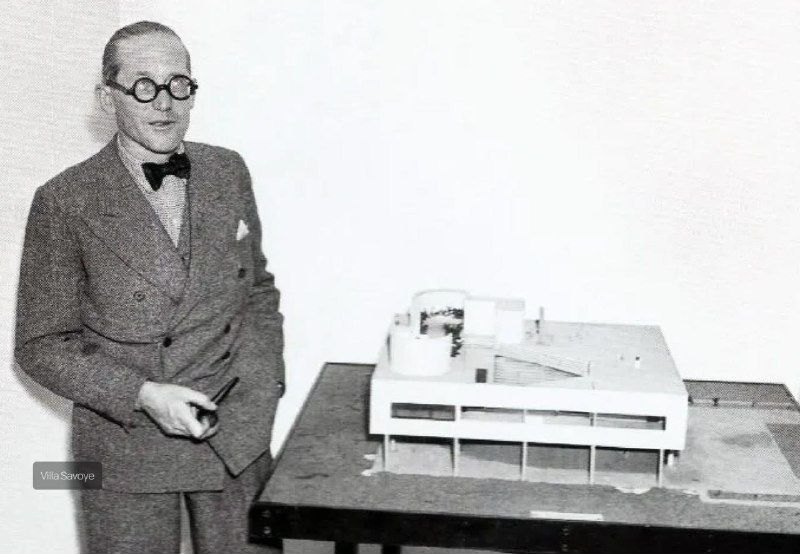
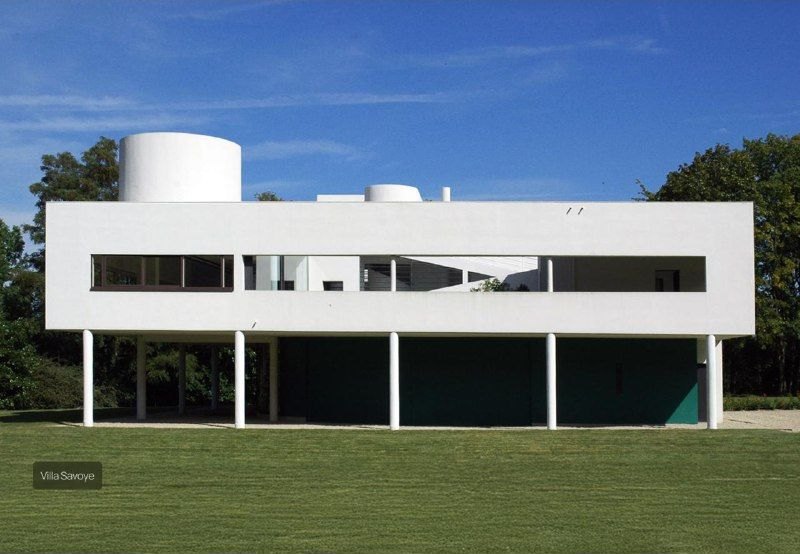
On the other hand, there are exceptions: Le Corbusier's manifesto “Five Points of a New Architecture” was not just a declaration but a guide to action. Villa Savoye became a literal illustration of his ideas. The Metabolist manifesto inspired many projects in Japan, even if it was not fully realized.
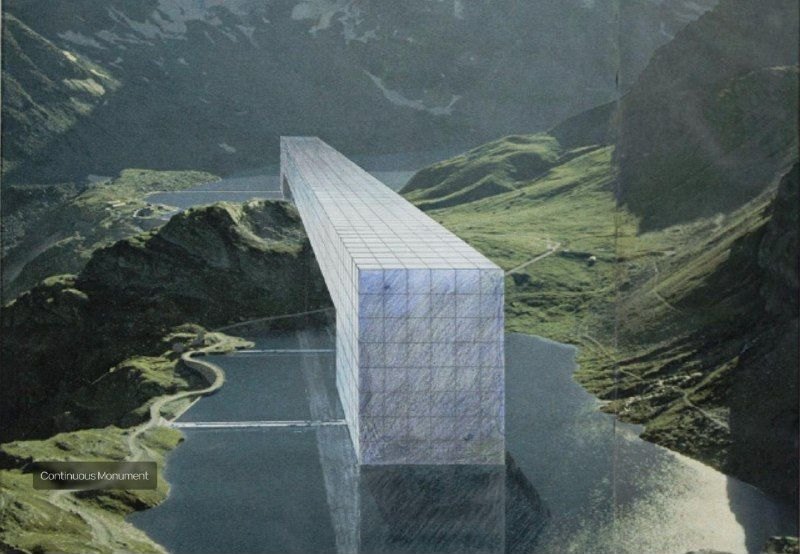
Nevertheless, today, in the 21st century, manifestos are increasingly seen as a retro genre. Architects of the new generation avoid loud declarations, preferring practice and specifics. And yet bold, provocative statements are exactly what the professional community lacks. Architecture needs not just buildings but powerful ideas that move it forward.
So perhaps it is time to start writing manifestos again, but to do it differently — not breaking away from reality, but provoking it to change?