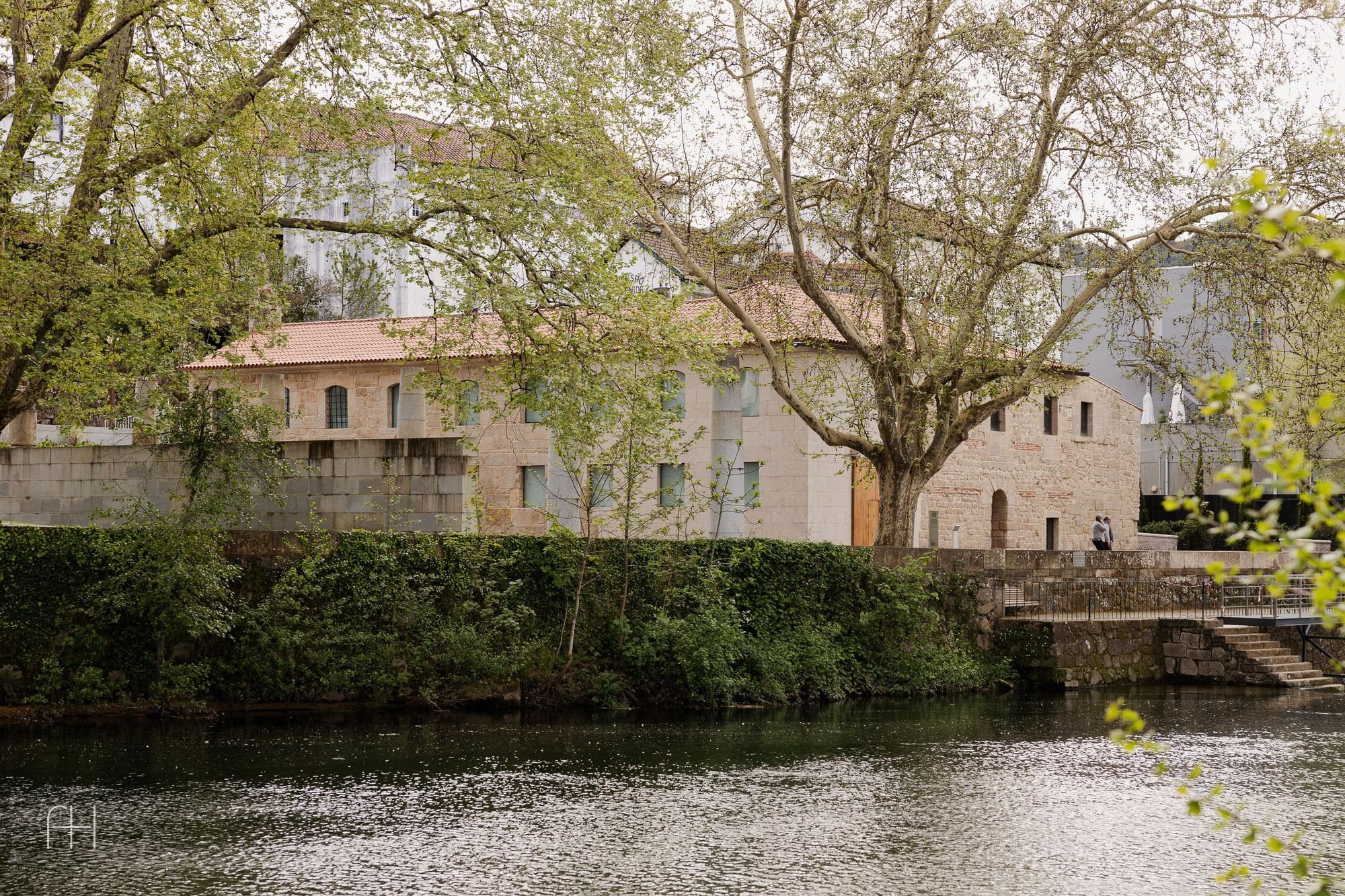
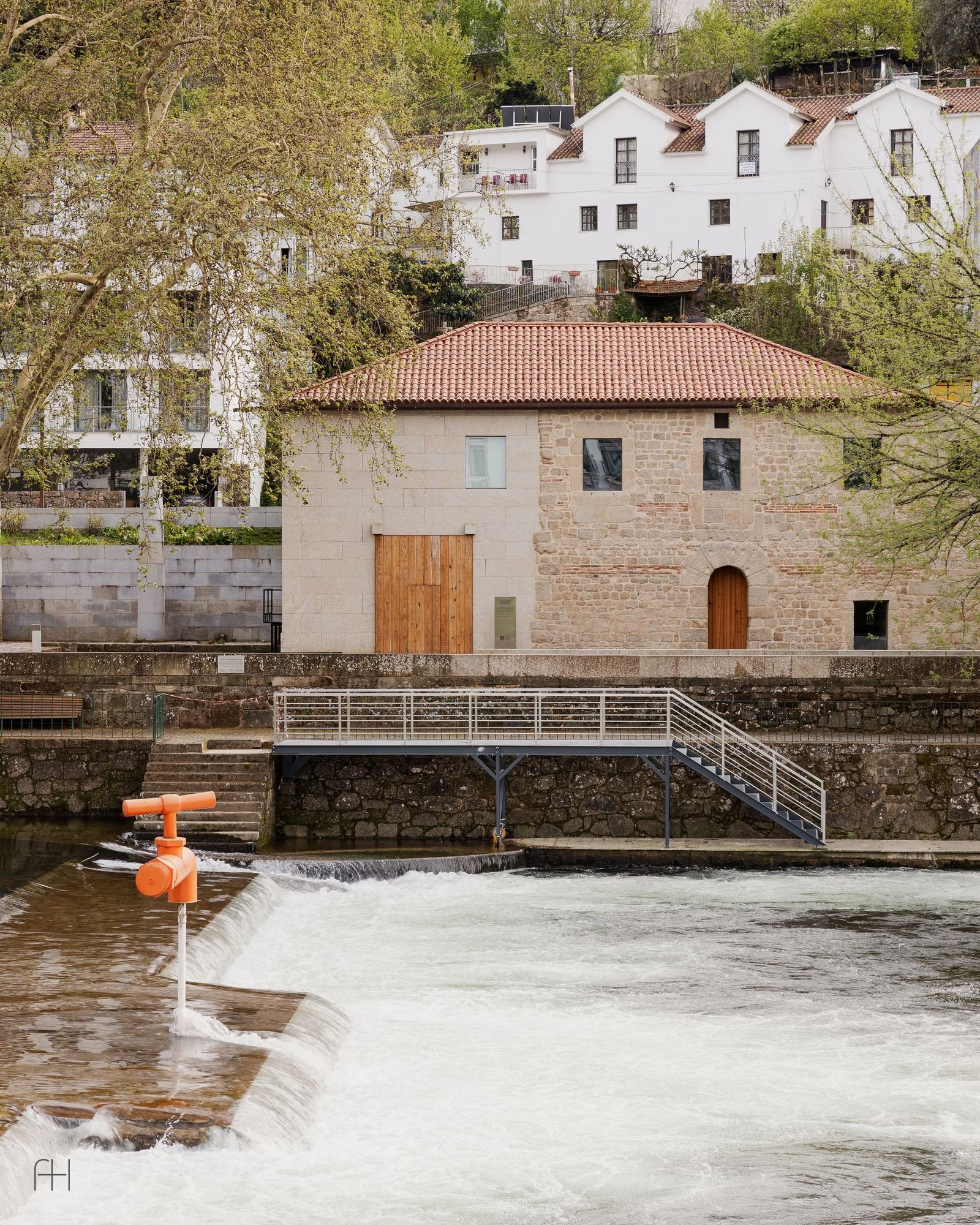
The Roman baths in São Pedro do Sul were in use for almost two thousand years, until Queen Amelia started visiting the spa at the end of the 19th century. In 1894 a new bathing building went up next door and the old baths were abandoned. The monument then stood closed for about 70 years and reopened only in 2019, after a restoration by João Mendes Ribeiro.
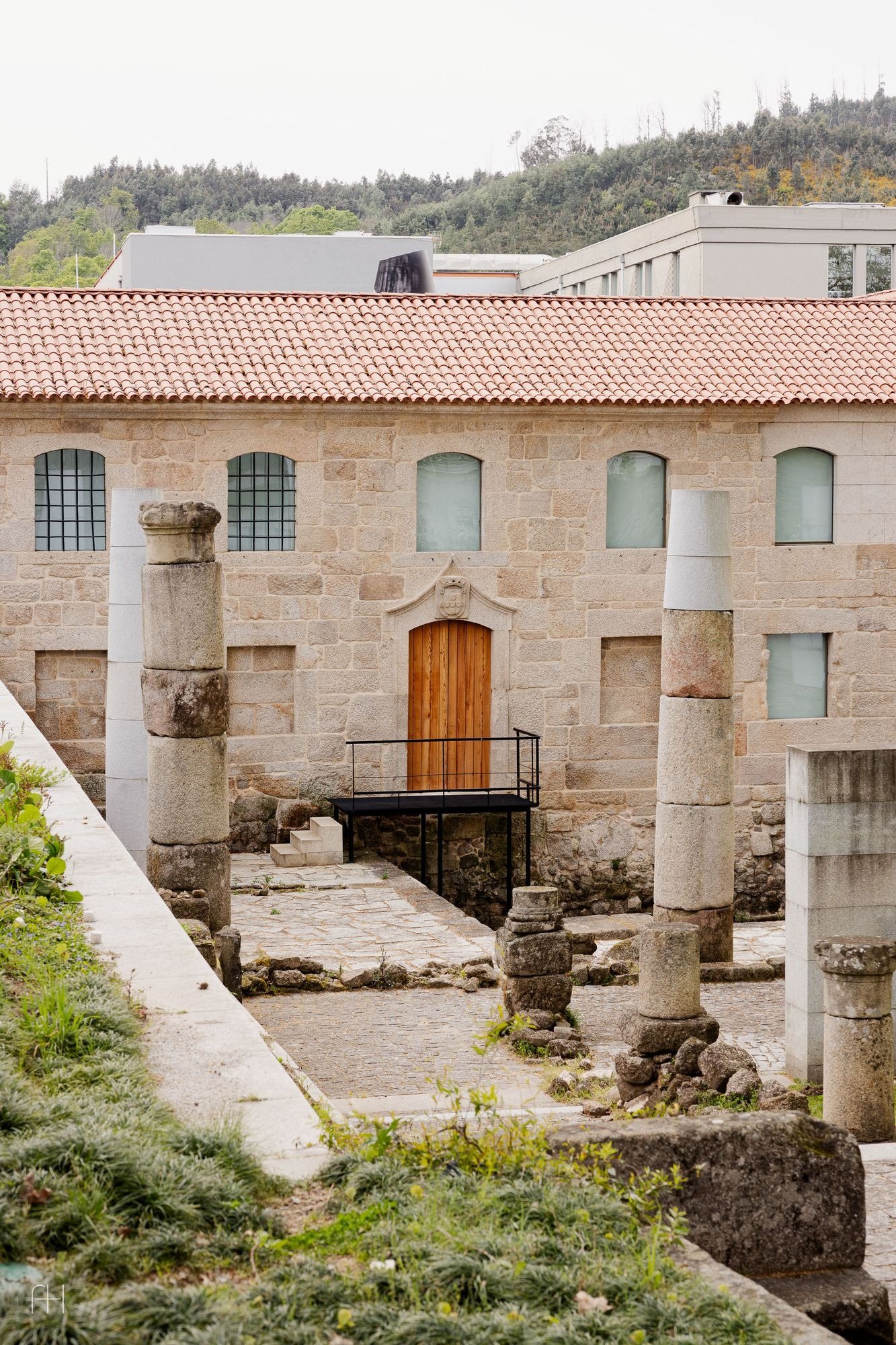
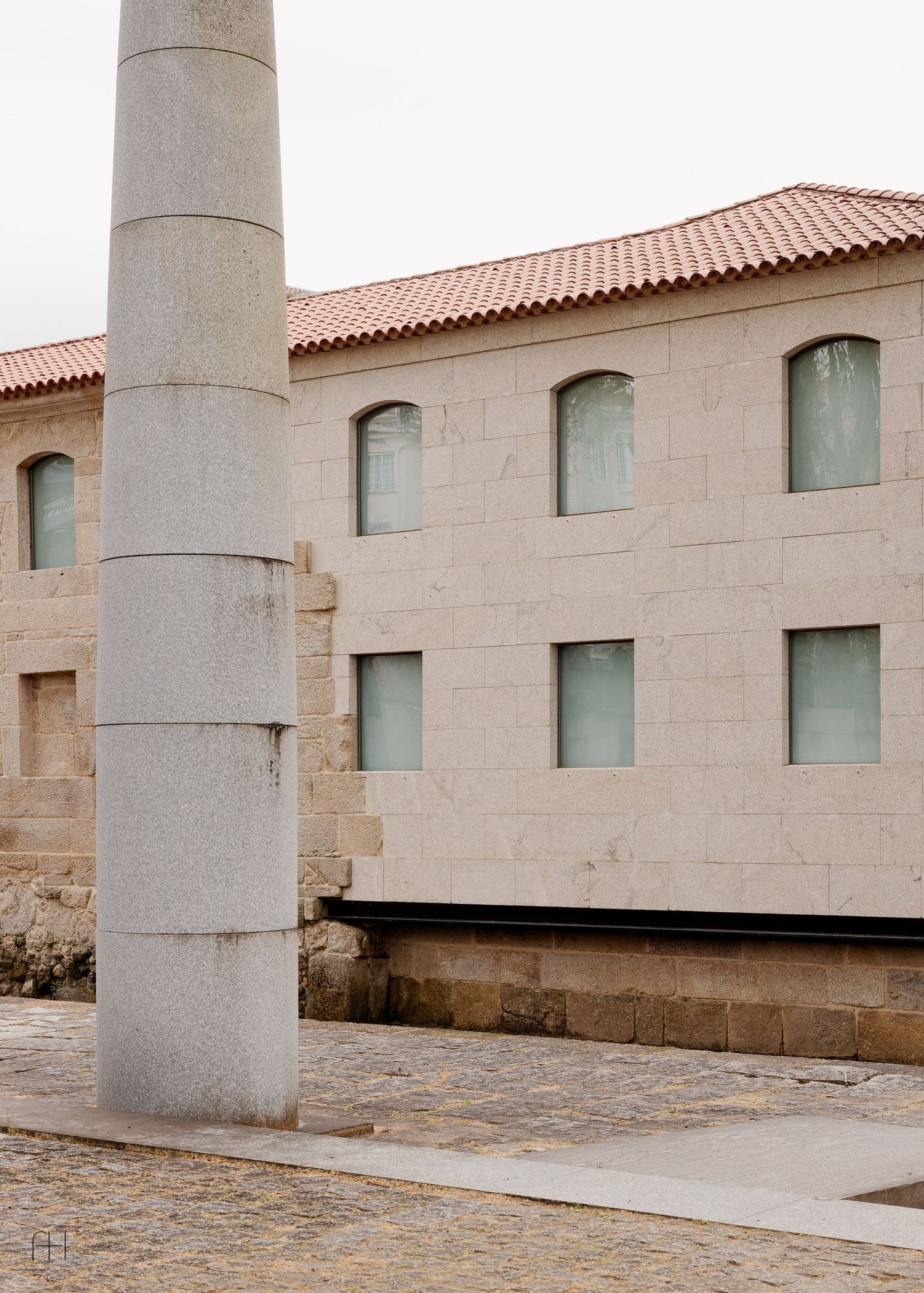
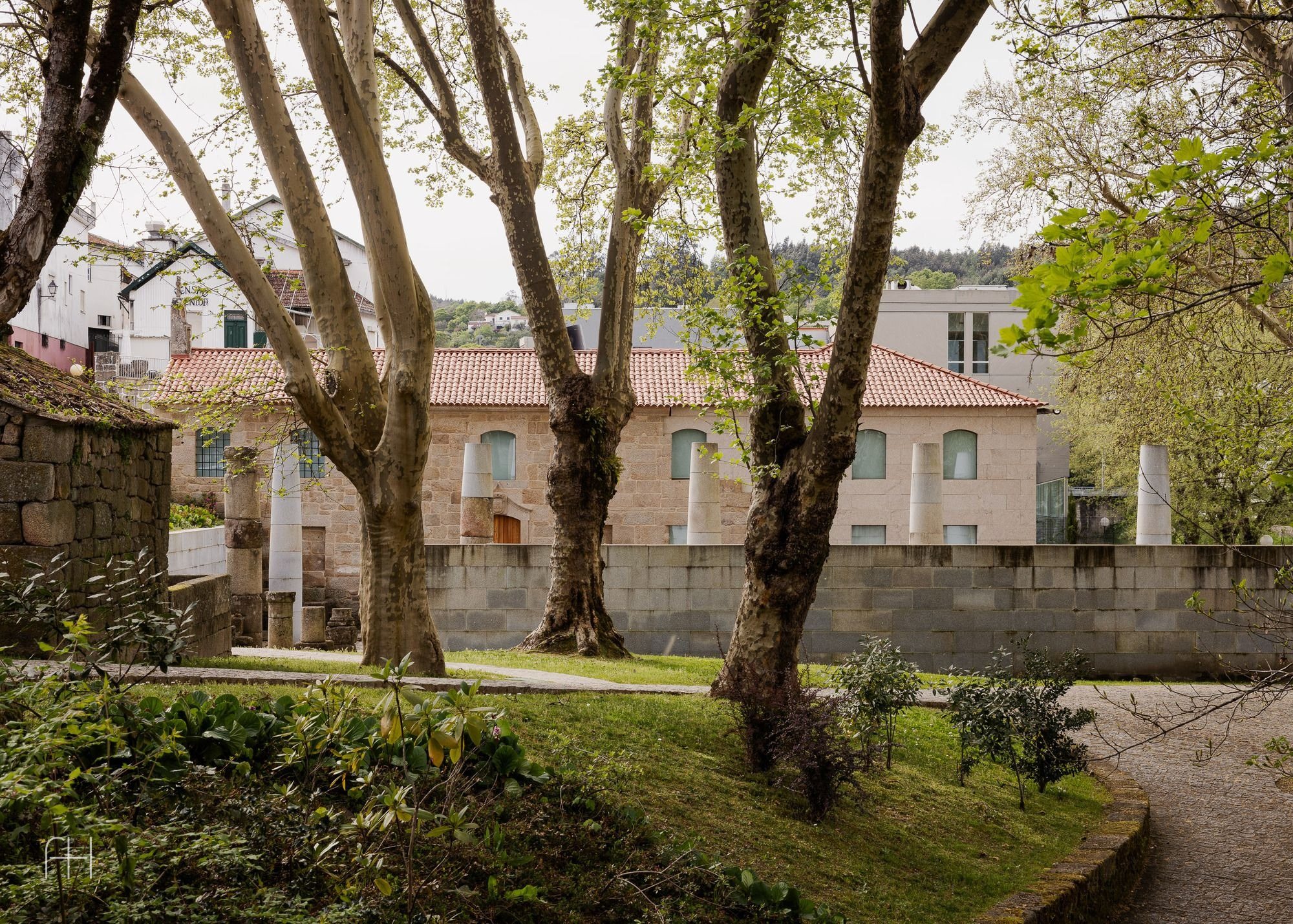
The columns in the courtyard were put together from fragments scattered across the site. The first of them turned up by chance in 1947. The missing pieces were made new and nobody tried to pass them off as old, so the new stone on the columns is easy to tell from the Roman.
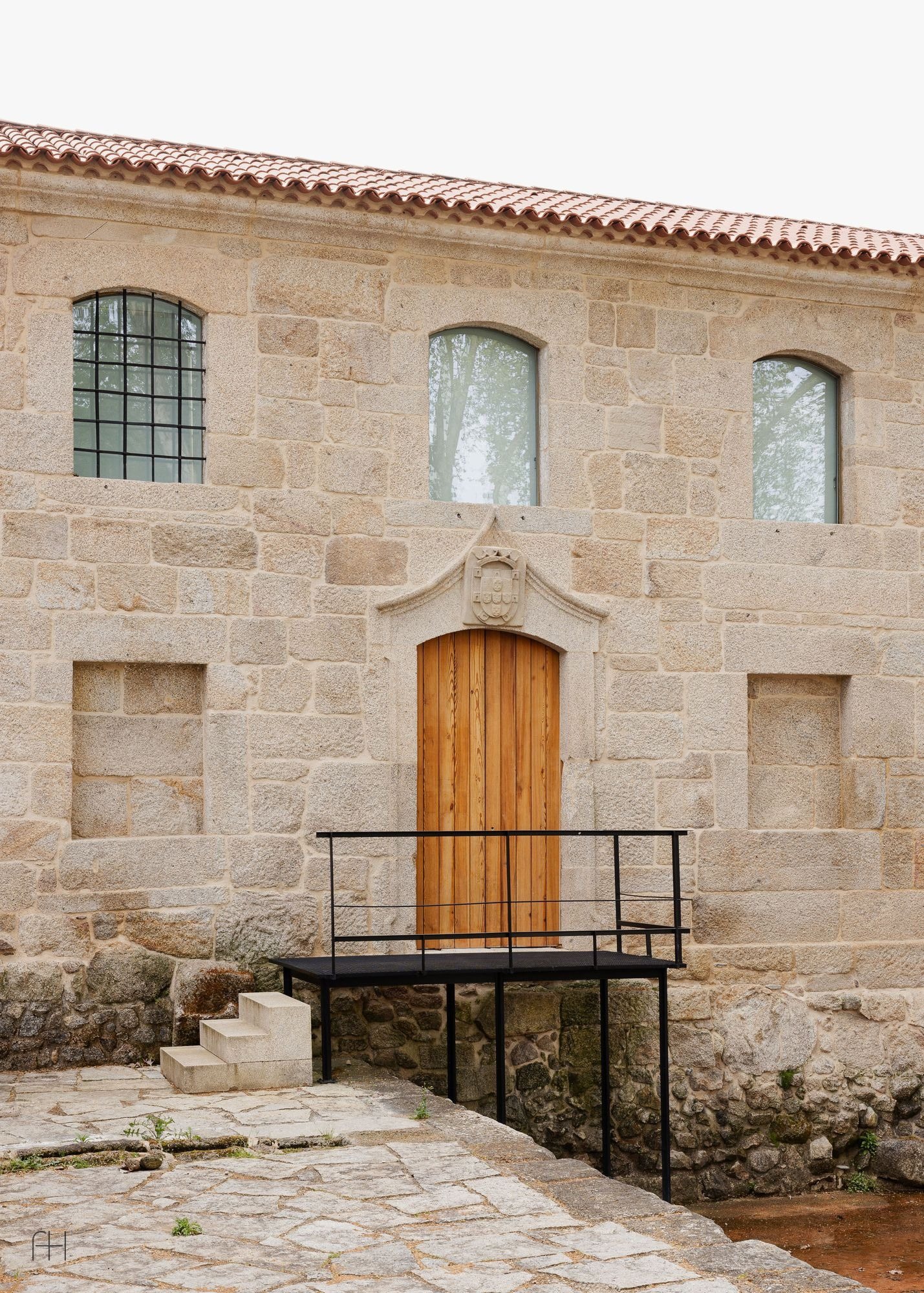
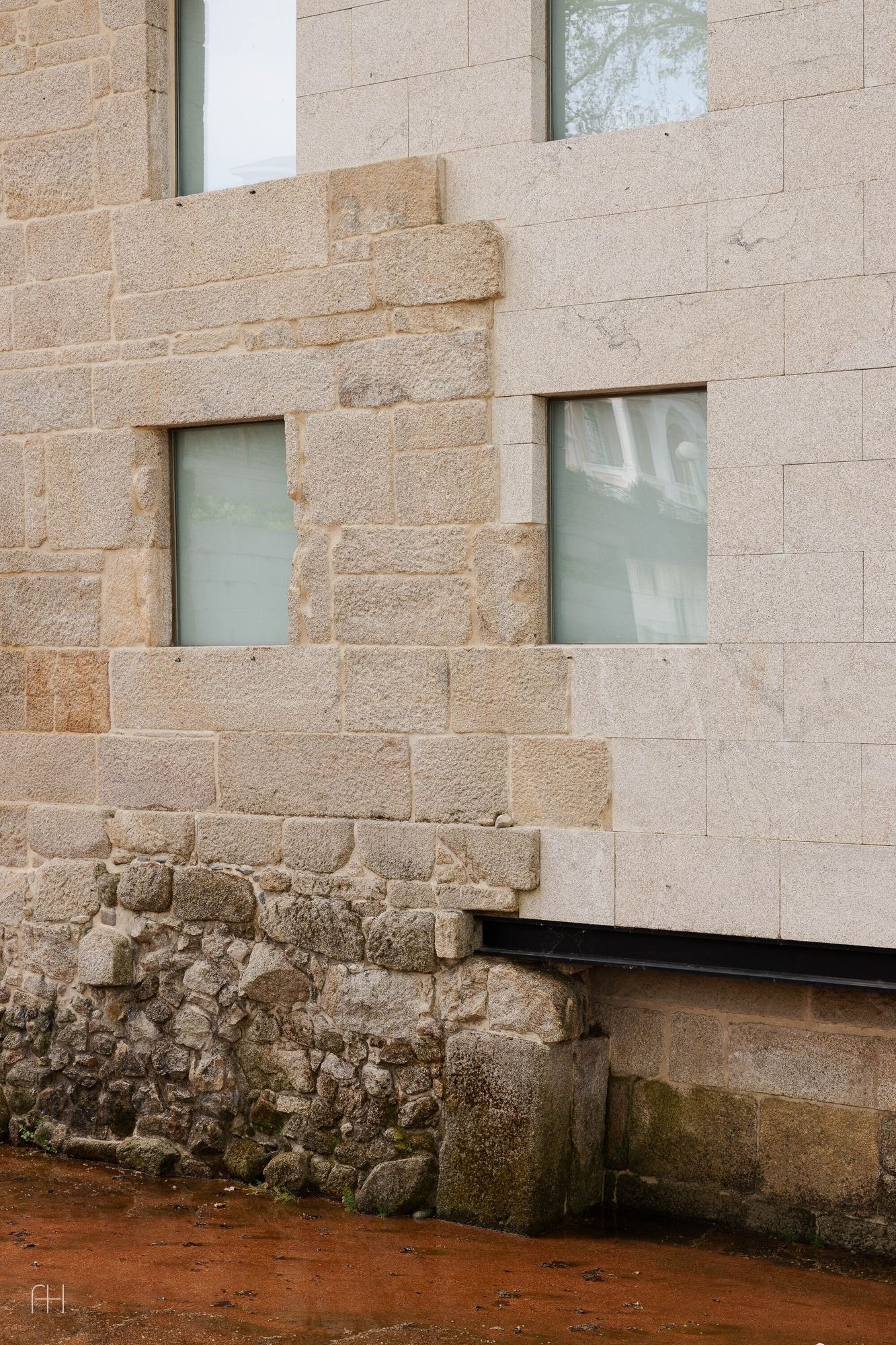
In town the building is called the pool of Afonso Henriques. According to legend, the king treated his leg here, broken in the battle of Badajoz in 1169. The walls hold traces of every era at once: Roman masonry, medieval rebuilding, Manueline insertions, alterations of the 17th–18th centuries and 19th-century reforms.
The restoration was preceded by more than ten years of excavation, and the work itself took another two years. The western, Roman wing was left as a ruin, but its height was restored and a brick vault was built following the traces of the old one on the end wall. The vault is hung from the roof and does not touch the Roman walls. The open pool was covered with opus signinum again, as in Roman times.
The traces of the peristyle around the pool were found by archaeologist Elena Frade. The columns were assembled by landscape architect João Gomes da Silva, working from the inventory of fragments, with the proportions and the curve of the shafts taken from Vignola's treatise. Water was let back into the channels and gutters running through the whole building. Gomes da Silva considers this the key thing in turning the ruins into a museum and says his Italian colleagues liked the approach.